Custom Magnetic Connectors for Sleek Product Design: From Surface Integration to Modular UX
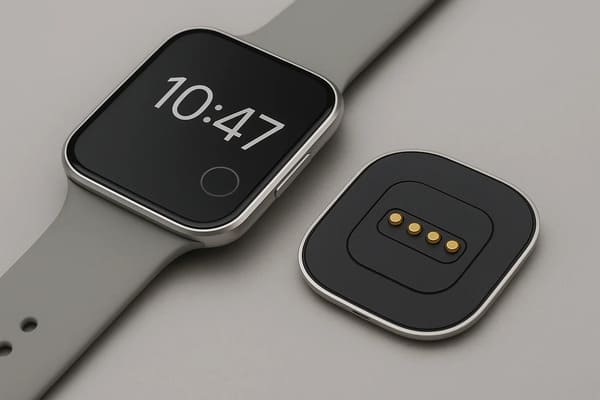
Custom magnetic connectors can help product teams create cleaner external surfaces, shallow removable interfaces and more intuitive accessory connections. But a sleek product is not created by the connector alone. This engineering guide explains how connector envelope, mechanical datums, working stroke, magnetic behavior, module boundaries, electrical architecture, enclosure sealing and manufacturing tolerances must be developed together.
Custom Magnetic USB Cables: 7 Proven Ways to Eliminate Port Failure
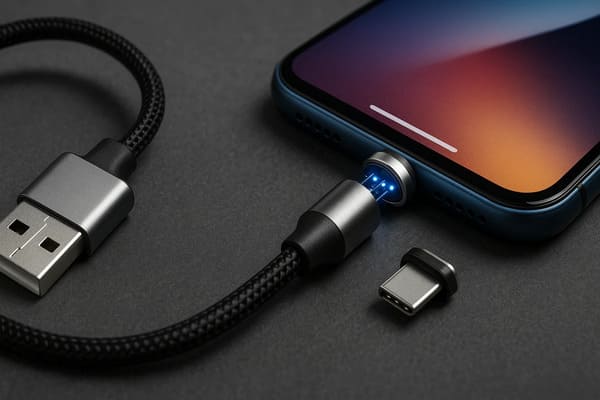
Custom magnetic USB cables can reduce repeated insertion into a device receptacle by moving daily mating to a dedicated magnetic interface. For OEM products, however, port protection depends on more than magnets. This guide explains seven engineering strategies covering device-side architecture, breakaway behavior, Pin Map design, power and data validation, exposed-contact states, cable strain relief and product-family compatibility.
What Are the Key Benefits of Pogo Pin Connectors in Automotive Electronics?
Pogo pin connectors can support selected automotive electronic interfaces where repeated removable mating, spring compliance, blind docking, compact packaging or serviceability are important. Their value depends strongly on mounting location and system function. This guide explains where pogo pins fit in automotive electronics, how magnetic and non-magnetic architectures differ, and what engineers should validate for vibration, temperature, contamination, power, signals, lifecycle and automotive qualification.
Magnetic Pogo Pin Connector Market: 4 Engineering Trends Driving Adoption
Growth in magnetic pogo pin connectors is better understood through engineering demand than market forecasts alone. Modular hardware, automated docking, serviceability and product-platform design are creating new interface requirements that conventional connectors do not always address efficiently. This guide explains four structural trends behind magnetic pogo pin connector adoption and where the technology actually fits.
Pogo Pins vs Traditional Connectors: A Hardware Architecture Selection Guide
Choosing between pogo pins and traditional connectors is not a simple question of cycle life. The correct architecture depends on mating frequency, locking requirements, serviceability, alignment, power and data paths, environmental exposure, standardization and lifecycle cost. This guide provides an engineering framework for selecting the right connector architecture.
How to Choose Magnetic Pogo Pin Connectors: 7 Engineering Rules for Prototype-to-Production Design
Selecting a magnetic pogo pin connector requires more than choosing pin count, current or magnetic force. Engineers must define the interface function, Pin Map, working stroke, mechanical tolerance, complete power and signal paths, environmental states and production controls. This guide presents seven engineering rules for moving a magnetic connector from prototype to production.
Magnetic Pogo Pin Lifespan: How to Estimate Service Life from Real Duty Cycles
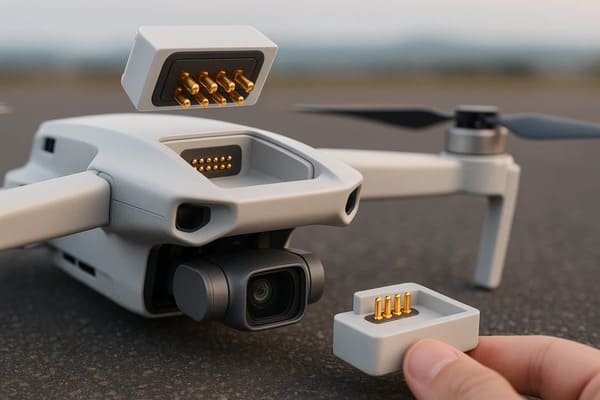
magnetic pogo pin lifespan,pogo pin service life,pogo pin mating cycles,pogo pin endurance test,connector lifecycle,pogo pin durability,magnetic connector,service life estimation,reliability testing,connector qualification
Waterproof Magnetic Pogo Pin Connectors: 4 Rules for IP-Rated Interface Design
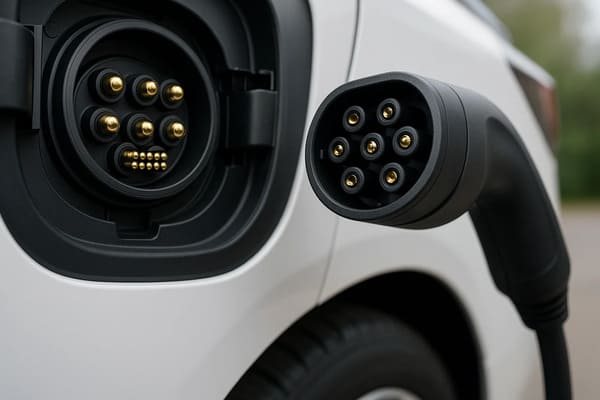
Waterproof magnetic pogo pin connectors require more than a flat contact surface or an O-ring. Engineers must define the complete sealing boundary, mated and unmated states, exposed-contact behavior, mechanical compression, drainage, contamination and post-IP electrical performance. This guide explains four engineering rules for designing and validating an IP-rated magnetic interface.
10 Magnetic Pogo Pin Suppliers in China to Evaluate in 2026

Choosing a magnetic pogo pin supplier in China requires more than comparing factory size or catalog specifications. Engineering teams should evaluate product fit, customization depth, testing capability, drawing control, traceability, production readiness and project-specific capacity. This 2026 buyer guide reviews 10 suppliers and provides a practical qualification framework for OEM sourcing.
How to Find a Reliable Magnetic Pogo Pin Manufacturer: 5 Engineering Qualification Rules
A reliable magnetic pogo pin manufacturer should do more than produce a functional prototype. OEM teams need evidence that drawings, CTQs, test methods, process capability, project capacity, traceability and engineering changes can remain controlled through mass production. This guide explains five practical qualification rules for reducing supplier and production risk.
How to Audit a Pogo Pin Connector Manufacturer: 5 Engineering Standards
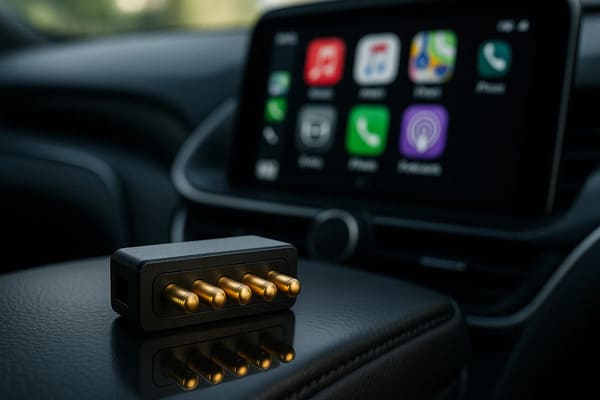
The best pogo pin connector manufacturer should be able to prove engineering capability with more than catalog specifications or factory-scale claims. This guide explains five evidence-based standards for auditing contact mechanics, magnetic behavior, electrical performance, environmental protection and production transfer before approving a custom connector manufacturer.
Magnetic Pogo Pins for Demanding Applications: 4 Stress Domains Engineers Must Validate
Magnetic pogo pins should not be selected for demanding applications from a single cycle-life, current or IP claim. Engineers need to define the real mission profile and validate the interface against mechanical disturbance, electrical and thermal loading, environmental exposure and abnormal mating states. This guide explains how to build a system-level stress envelope for reliable connector qualification.