
Magnetic Pogo Pins: 7 System-Level Advantages for Removable Interface Design
Magnetic pogo pins provide more than magnetic attraction. In removable hardware interfaces, they can reduce alignment burden, provide controlled Z-axis compliance, support tunable breakaway, enable flexible Pin Maps and simplify serviceable external surfaces. This guide explains seven system-level advantages and the engineering controls required to make each one work reliably.
Are Magnetic Pogo Pin Connectors More Expensive? A TCO & ROI Guide for OEM Hardware
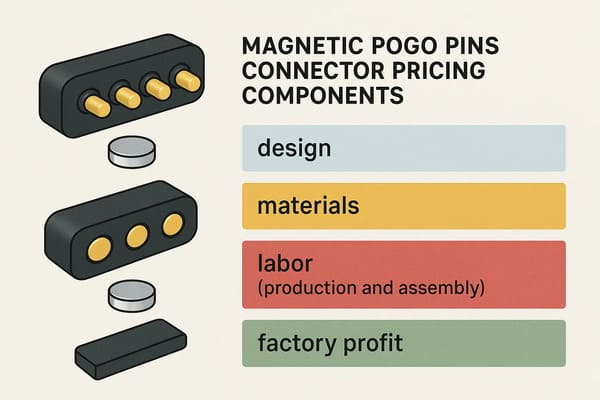
Magnetic pogo pin connectors can cost more at the component level, but unit price alone does not determine whether the architecture is expensive. OEM teams should compare tooling, recurring BOM, assembly, testing, service, replacement, downtime and lifecycle risk. This guide provides a practical TCO and break-even framework for connector procurement.
Magnetic Pogo Pin Connectors: 9 System Benefits Across the B2B Hardware Lifecycle

Magnetic pogo pin connectors can influence more than the physical connection between two parts. When properly integrated, they can reduce mating effort, absorb controlled Z-axis variation, support custom Pin Maps, simplify modular assembly, improve serviceability and create a reusable interface across product platforms. This guide explains nine system-level benefits across the complete B2B hardware lifecycle.
Magnetic Pogo Pin Connectors: 9 System Benefits Across the B2B Hardware Lifecycle
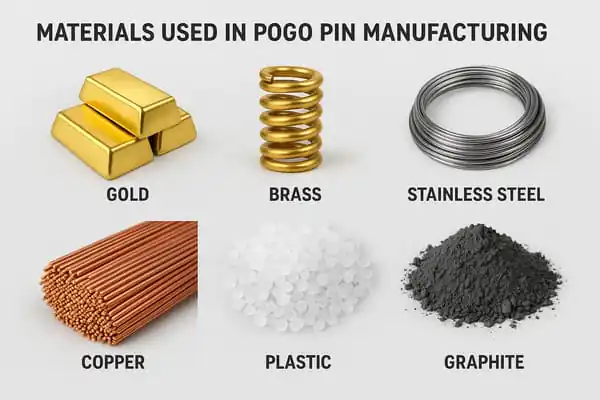
Magnetic pogo pin connectors can influence more than the physical connection between two parts. When properly integrated, they can reduce mating effort, absorb controlled Z-axis variation, support custom Pin Maps, simplify modular assembly, improve serviceability and create a reusable interface across product platforms. This guide explains nine system-level benefits across the complete B2B hardware lifecycle.
Standard vs. Magnetic Pogo Pin Connectors: 7 Engineering Design Differences
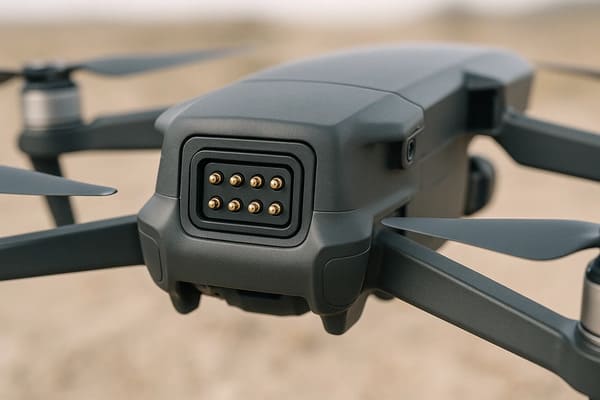
Standard and magnetic pogo pin connectors use the same basic spring-contact principle, but they solve mating and retention in different ways. This guide compares seven engineering differences—including alignment, retention, working stroke, dynamic loading, partial mating, magnetic side effects and system cost—to help engineers decide when adding magnets creates real product value.
Magnetic Connector Applications: 5 Industries Driving Connectivity Innovation
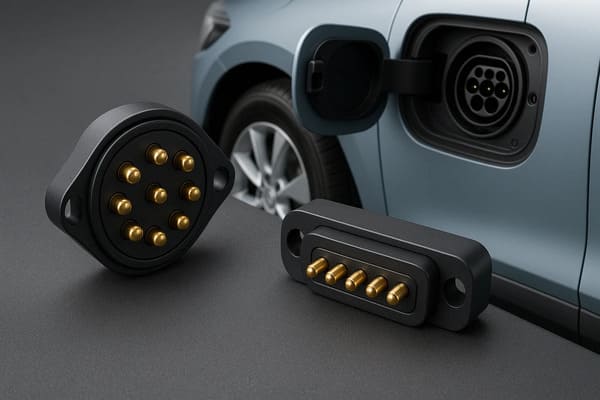
Magnetic connector applications extend far beyond consumer charging accessories. Their value depends on the interface duty: easy removable charging, cleanable medical surfaces, automated docking, controlled automotive modules or field-serviceable IoT hardware. This guide compares five industries by the engineering problem each magnetic interface is intended to solve.
IP68 Magnetic Connectors: 7 Failure Paths Engineers Must Control
An IP68 magnetic connector can fail even when the basic seal concept looks correct. Leakage often comes from feedthroughs, enclosure joints, tolerance-driven gasket compression, cable exits, partial mating or production variation. This guide maps seven failure paths engineers should control from prototype through mass production.
Custom Magnetic Pogo Pin Connectors: 5 Engineering Keys from Requirement to Production
A custom magnetic pogo pin connector should begin with the product interface, not with pin count or magnet size. Engineers need to define mating states, mechanical datums, working stroke, Pin Maps, electrical paths, magnetic behavior, environmental exposure and production CTQs before tooling. This guide explains five engineering keys for moving from product requirements to a production-ready connector.
Magnetic Pogo Pin Connectors for Wearables: 7 Reliability Design Priorities
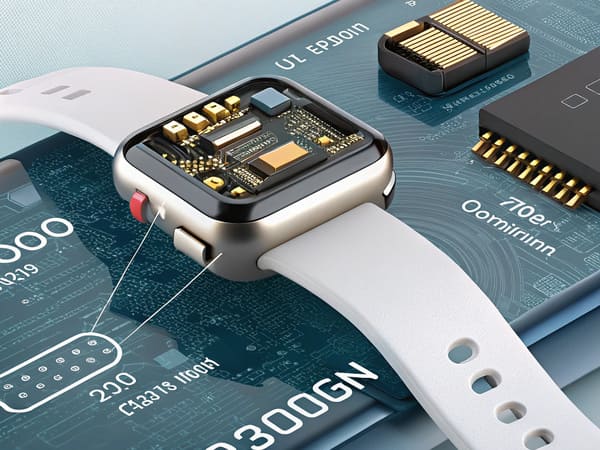
CTP engineering context: Published by Shenzhen Yongtan Electronics for connector selection and project planning. Technical parameters must be confirmed against the applicable model drawing and test conditions. Last reviewed: 24 August 2026. Engineering Summary: Magnetic pogo pin connectors can be well suited to wearable charging and removable accessory interfaces because they support compact contact surfaces, […]
Magnetic Pogo Pin Connectors: 7 Proven Ways to Boost Wearable Reliability
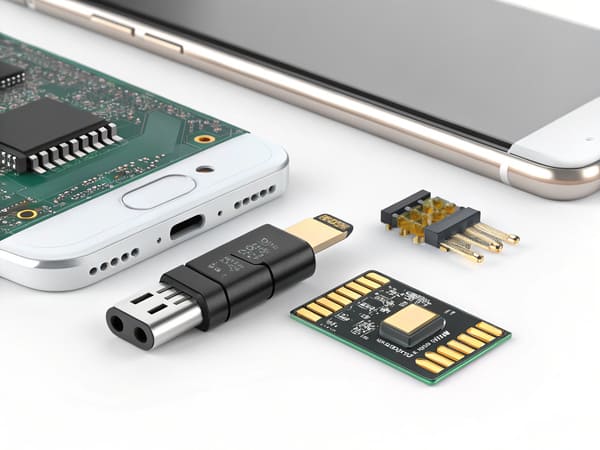
A wearable magnetic charger should be designed as a complete interface rather than as a connector added late in the project. Engineers must decide the charger format, pogo-pin side, mating geometry, Pin Map, power-enable logic, thermal path and service strategy before freezing the enclosure. This guide explains seven architecture decisions for smartwatch, sensor and wearable charging interfaces.
Magnetic Pogo Pin Connectors: 5 Engineering Levers for Production Efficiency
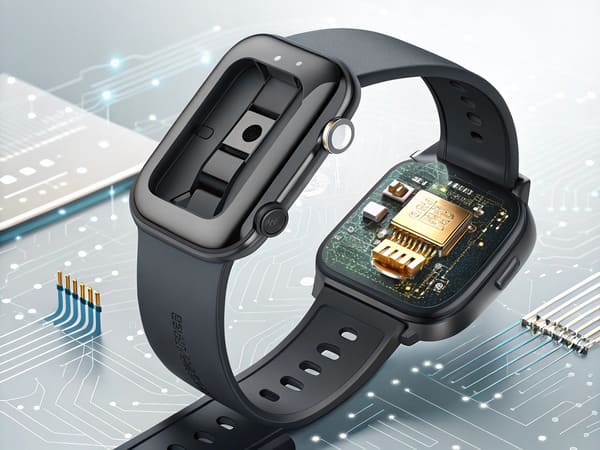
Production efficiency is not improved simply by adding magnets to a pogo pin fixture. The real gains come from reducing alignment burden, confirming seating before test, isolating wear in replaceable modules, shortening maintenance time and monitoring contact degradation before it creates repeated failures. This guide explains five engineering levers for production and test interfaces.
Beyond Charging: 7 Ways Magnetic Connectors Can Expand into a Modular Hardware Interface
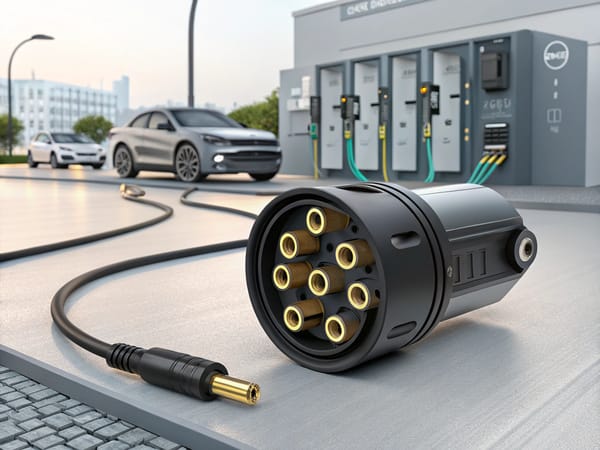
A magnetic connector does not have to remain a simple two-contact charging interface. With the right mechanical and electrical architecture, the same removable boundary can support connection detection, module identification, controlled power enable, diagnostics, selected signals and multiple accessories. This guide explains seven ways engineers can expand a magnetic connector into a reusable modular hardware interface.