Engineering Teardown: Magnetic Pogo Pin Interfaces for Automated Production Lines — Sequencing, EMI and Downtime Control
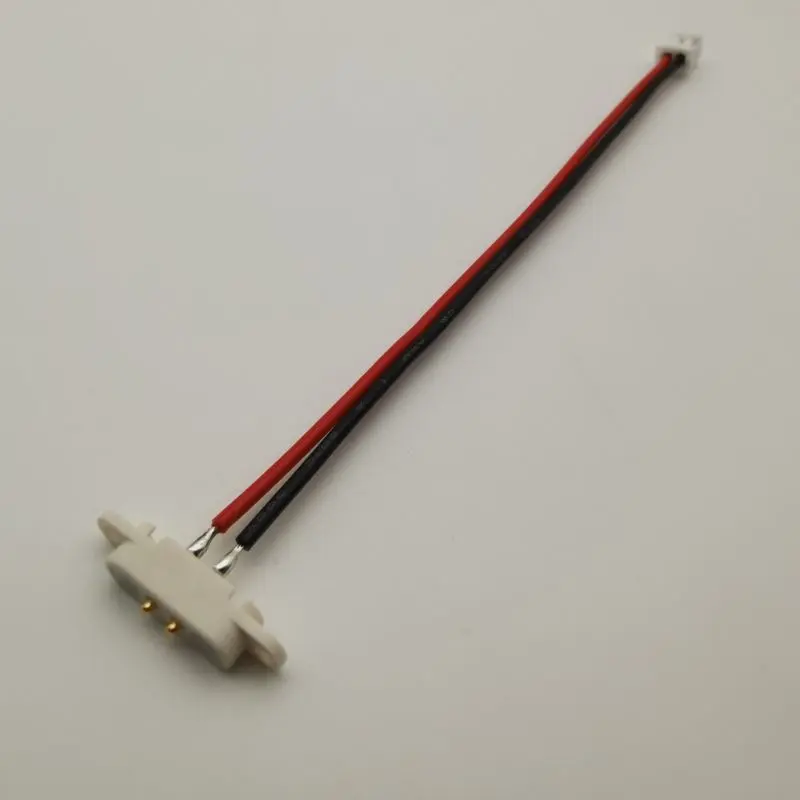
Magnetic pogo pin interfaces can support automated production lines by providing repeatable spring-loaded electrical connections for robotic tool changers, fixtures, AGV docks and removable automation modules. This guide explains contact sequencing, working stroke, EMI-aware design, contamination, connection-state monitoring and fault diagnostics for reducing connector-related production downtime.
How a Custom Magnetic Pogo Pin Design Library Accelerates R&D
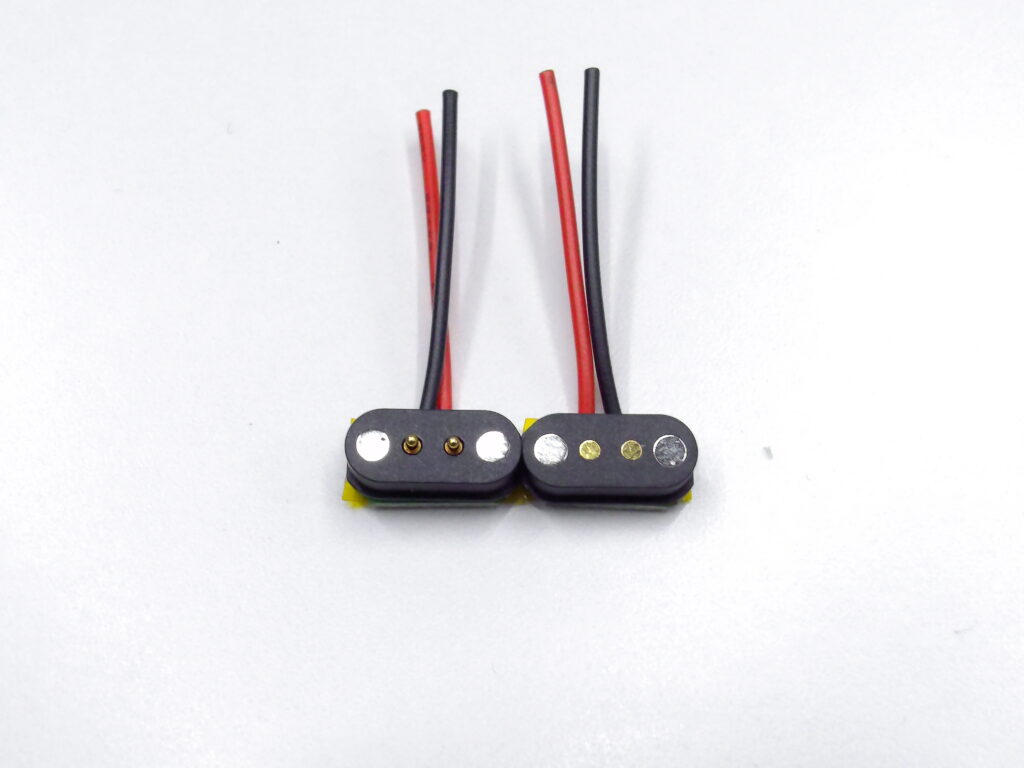
Custom magnetic pogo pin development does not always need to begin from a blank drawing. A structured library of previous contact designs, magnetic layouts, housings, mounting methods and cable terminations can help engineers identify a suitable baseline and focus prototype testing on the risks that are truly new. This guide explains what can be reused, what must still be redesigned and how a reference-design system supports faster and more controlled R&D.
Magnetic Pogo Pins for Consumer Electronics: Designing Reliable Port-Less Interfaces
Magnetic pogo pin interfaces can support port-less consumer electronics by replacing deep insertion cavities with flush spring-loaded contact surfaces and magnet-assisted mating. This guide explains contact wear, breakaway behavior, working stroke, contamination, power sequencing, environmental sealing and lifecycle validation for removable charging and accessory interfaces.
How to Evaluate a High-Volume Pogo Pin Manufacturer for Mass Production
CTP states an aggregate monthly production capacity of more than 30 million precision contacts across its manufacturing portfolio. Project-specific available capacity, lot size, lead time and ramp allocation must still be confirmed according to the approved drawing, process route and customer forecast.
Magnetic Pogo Pin Connectors for AR/VR Headsets: Modular Interface Design Guide
Magnetic pogo pin connectors can support modular AR/VR headsets by combining spring-loaded electrical contacts with magnet-assisted attachment for batteries, charging cables, sensors and removable accessories. This guide explains working stroke, breakaway behavior, power and signal allocation, sweat exposure, partial mating and complete-channel validation for head-mounted electronics.
From Concept to Mass Production: How a Custom Magnetic Pogo Pin Supplier Should Run Your Project
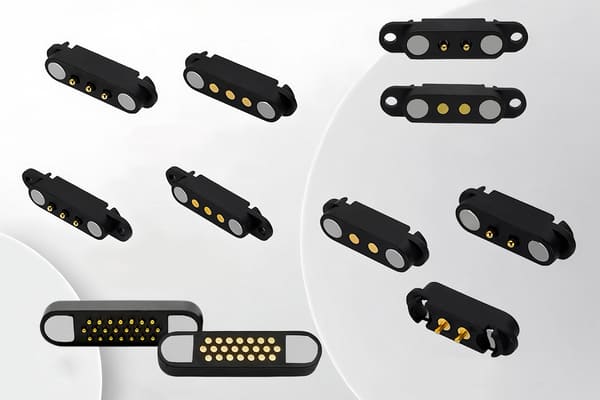
A successful custom magnetic pogo pin project depends on more than finding an existing connector with similar dimensions. The supplier must translate electrical, mechanical and environmental requirements into a controlled design, verify the critical risks through prototypes, and prepare the drawings, tooling, inspection methods and process controls required for stable production. This guide explains the complete workflow from initial feasibility review to pilot build and mass-production release.
Industrial Automation Pogo Pin Connectors: Designing for Uptime, Tool Changes and Serviceability
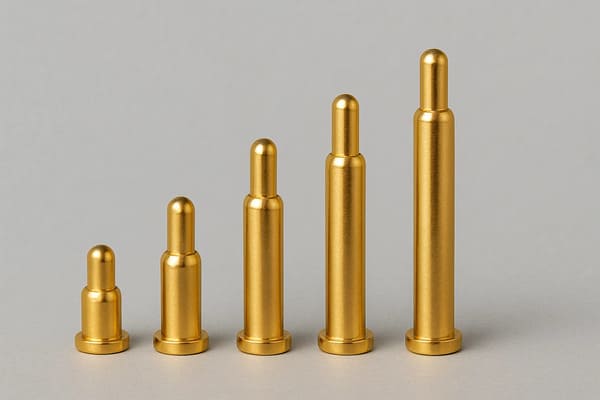
Industrial automation pogo pin connectors can simplify robotic tool changes, AGV docking, fixture testing and removable sensor modules. Their value depends on controlled alignment, replaceable contact structures, contamination management and condition monitoring. This guide explains how engineers can design a maintainable interface and detect connector degradation before it causes unplanned downtime.
Magnetic Pogo Pin Connector Reliability: Failure Modes, Design Controls and Validation
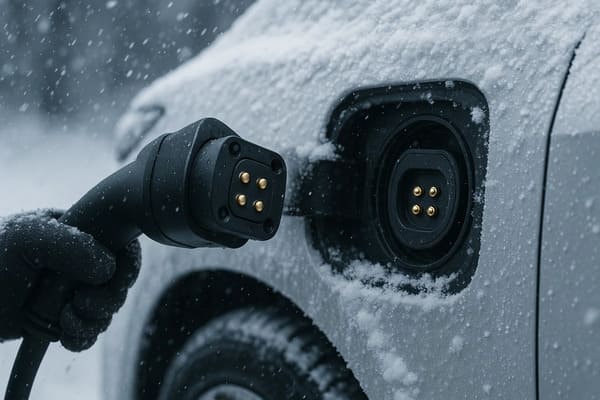
Magnetic pogo pin connector reliability depends on more than magnets or spring contacts alone. This engineering guide explains common connection failure modes, including misalignment, incorrect working stroke, side loading, contamination, contact resistance, partial mating and unsuitable magnetic retention, and shows how each risk can be addressed through mechanical design and validation.
How Do Pogo Pin Connectors Enhance Test Equipment Accuracy and Efficiency?
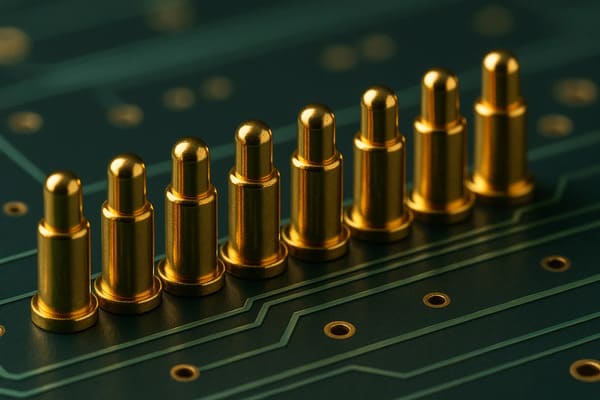
Pogo pin connectors can improve test fixture repeatability and throughput by creating controlled spring-loaded contact with DUT pads, test points and temporary electrical interfaces. This guide explains working stroke, contact force, probe-tip selection, contact resistance, Kelvin measurement, fixture tolerance, false-fail mechanisms and validation methods for production and engineering test equipment.
How Can Pogo Pin Charging Solutions Benefit New Energy Vehicles?

Pogo pin charging solutions can support automated charging interfaces for new energy vehicles by combining spring-loaded conductive contacts with controlled docking and positioning structures. This guide explains where pogo pin charging fits, how automated conductive docking works, why working stroke and alignment matter, and what engineers should validate for power sequencing, contamination, repeated docking and environmental exposure.
Magnetic Pogo Pin Life Cycle: What Affects Service Life and How to Extend It
Magnetic pogo pin life cycle cannot be defined by one universal mating-cycle number. Service life depends on working stroke, contact force, mating-target geometry, surface wear, electrical load, contamination, magnetic behavior and the test conditions used to define failure. This guide explains seven engineering strategies for extending connector life and building a meaningful endurance validation plan.
Magnetic Pogo Pin Connectors: 9 Engineering Advantages, Limitations and Design Trade-Offs
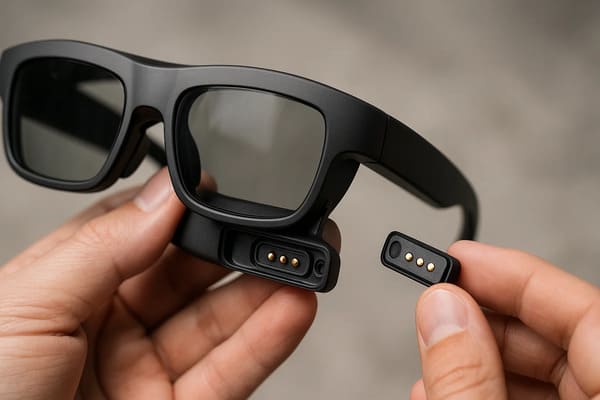
Magnetic pogo pin connectors combine spring-loaded electrical contacts with magnet-assisted mating, offering useful advantages for blind mating, removable modules, compact interfaces and controlled breakaway. However, they also introduce trade-offs involving magnetic debris, retention force, partial mating, exposed contacts, signal integrity and lifecycle validation. This guide explains nine engineering facts to help determine when a magnetic pogo pin connector is the right choice.