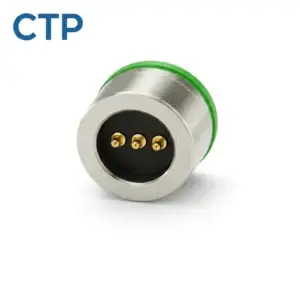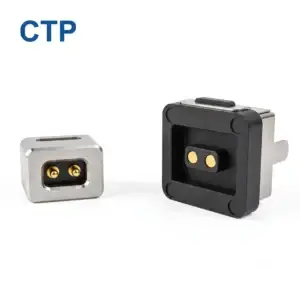
A good cable should make sense as a finished product. You should be able to see how it connects, understand where its leads go and recognize the mating parts it belongs with. That clarity is useful when you choose the cable, when you try it in the device and when you order the agreed version again.
It is also the starting point for magnetic cable assembly inspection. At CTP, our custom range brings the magnetic interface, conductors, housing and opposite-end connection into the same product discussion. Wire-ended cables, matched PCB connections, branched harnesses and double-ended assemblies give you several ways to build a clearly defined interconnect.
The practical benefit is confidence in what you are evaluating. The cable is represented as a complete arrangement for your device, with useful features you can relate to the product’s wiring, installation and everyday handling.
A complete magnetic cable assembly gives quality a specific meaning
The magnetic head is the part that attracts attention, but the product’s usefulness depends on everything connected to it. The lead needs to reach the source or receiving electronics, the opposite end needs a suitable termination, and the mating part needs to fit the device’s installation.
Our finished cable formats give these parts a shared starting point. A USB-connected assembly includes the source plug and cable. A branched design includes its main section and output routes. A double-ended cable brings both magnetic interfaces into the same arrangement.
That is a useful advantage for an equipment maker. The evaluation can follow the actual connection through the device, rather than stopping at a connector appearance. The cable’s structure can be discussed in terms of the product it is intended to support.
It also makes expectations easier to explain. A defined contact arrangement, lead length and termination give the sample a specific purpose. The final operating limits and acceptance criteria belong to the agreed project specification, where the complete connection can be evaluated for its intended use.
Five separate leads make an internal connection easier to understand
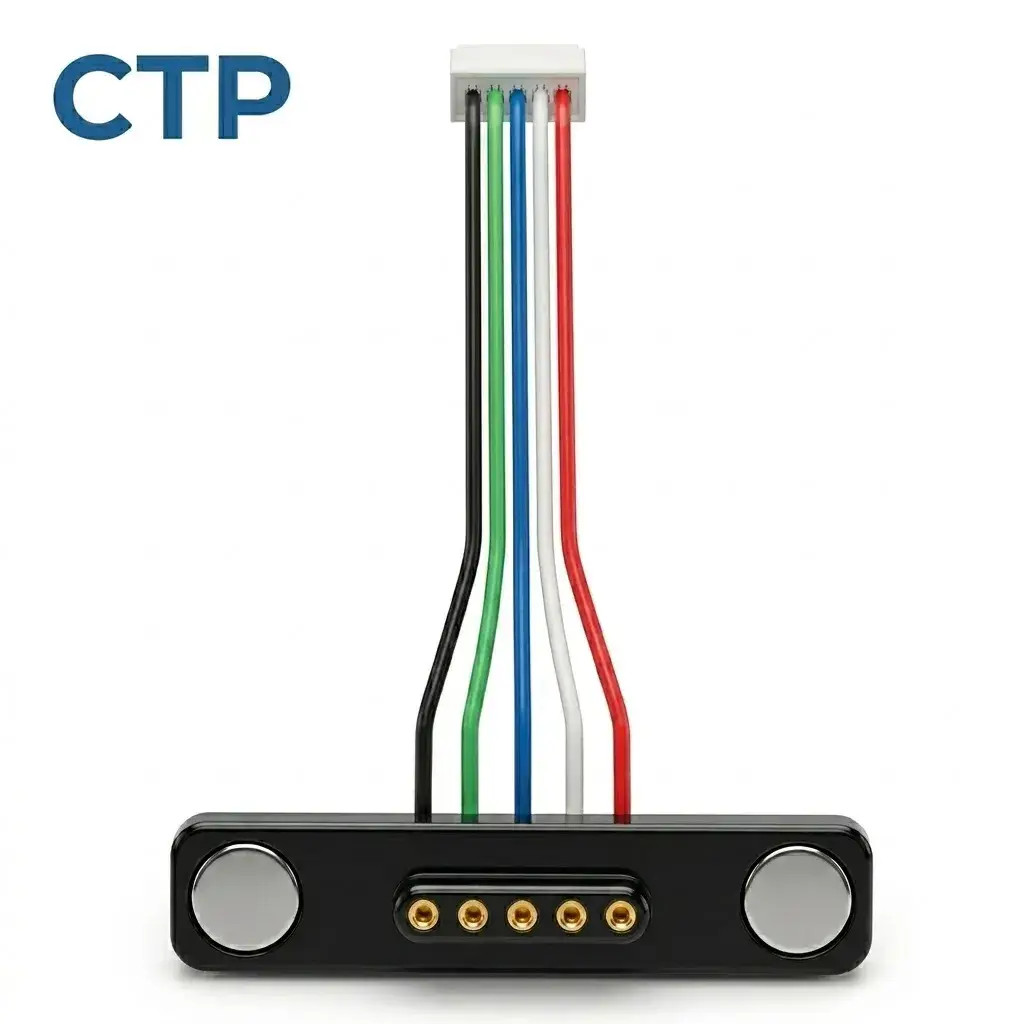
The CTP five-contact cable with individual wire leads has a linear magnetic interface and separate conductors for a PCB, module or harness connection. It is a useful format when the device needs flexibility at the internal end.
A five-lead magnetic cable gives each assigned connection a destination
The separate leads allow the team to describe where the electrical paths end within the device. Their length, color, insulation and opposite-end processing can be selected for that route. This makes the assembly easier to relate to the actual board or module it serves.
For a sensor instrument, for example, the magnetic face may be fitted near the base while the receiving board sits farther inside the enclosure. The five leads provide a visible connection between those two positions. Their arrangement can be developed around the available space and preferred termination.
From a product-quality perspective, the useful feature is that the cable’s intended form is understandable before it disappears into the finished housing. The magnetic end, lead route and receiving connection can be considered together, with the approved electrical assignments giving the wires their meaning.
A matching PCB mate makes the two sides of the connection easier to evaluate together
Our four-contact USB-C magnetic cable includes a matching PCB-mount connector. It brings the device side of the interface into the same product arrangement as the cable head and source plug.
A four-contact PCB connector supports a more coordinated assembly concept
For a new compact device, this gives the board and mechanical teams a defined mating structure to consider. The receiving connector can be placed with the housing opening in mind, while the cable approaches the outside face in its intended direction.
The user experiences a single connection point. Behind that point, the cable, magnetic head and board-side mate have distinct roles. Considering them as a pair helps the product team judge seating, access and the route into the electronics as parts of the same design.
The four electrical paths and USB-C wiring are defined for the required functions. The product benefit is a coordinated cable format with a corresponding mating part, rather than a promise of every function associated with the USB-C connector shape.
A branched magnetic harness can make the intended cable layout clearer
The six-contact magnetic cable with dual-branch leads is a useful choice when the connection reaches two internal destinations. Its main cable, branches and terminations can be developed around those positions.
Two branch terminations give two modules their own routes
Imagine a device with a controller board near its display and a separate sensing module close to the enclosure edge. Each destination has its own physical connection requirement. The dual-branch format gives the team an arrangement that reflects those two places from the start.
Different branch lengths can suit their reaches, and the end structures can reflect the board or module connections. That can leave the interior more orderly than using one long, undefined bundle and deciding how to divide it during final assembly.
For magnetic cable assembly inspection, this clarity is useful because the approved harness has an intended shape. Its branches, destinations and assigned functions can be related to the device. The electrical and mechanical checks then have a specific assembly to evaluate.
The value comes from a well-described custom build. A branch visible in the photograph is not, by itself, a guarantee of a particular electrical topology. The agreed wiring establishes which connections each branch carries and how the complete harness serves the product.
Two magnetic ends give a modular product a complete interconnect to consider
Our four-contact double-ended magnetic cable joins two matched magnetic interfaces through one lead. Both ends can be considered with the device sections they connect.
This is useful for a removable accessory beside a main unit. The cable length can reflect their normal spacing, and each head’s outlet direction can suit the approach at its own end. Their retention needs can also be reviewed separately, because the two sides may be handled differently.
That gives the product team more than two independent connector shapes. It provides an interconnect concept in which the cable route, end-to-end wiring and both mating arrangements have a defined relationship. The user sees a coordinated lead between the two sections.
In an evaluation, those relationships are the interesting features. Does the cable occupy the intended route? Can the heads be reached comfortably? Do the mating parts meet in the position the product provides? These are product-level observations alongside the agreed electrical checks.

Quality is also the way the cable belongs with the device
A cable may look tidy on its own yet feel awkward beside the product it is intended to serve. The lead could be longer than the available space needs, or its outlet could point toward an area the user wants to reach. A useful custom assembly considers those ordinary details.
Our options for cable length, housing dimensions, outlet direction and strain relief give the team specific features to develop. The connection can be evaluated where the device is normally placed, with the cable approaching from its intended route.
For a desk accessory, that may mean leaving the working area in front of the device clear. For a handheld instrument, it may mean giving the lead room to fall away from the gripping area. For a branched internal harness, it may mean reaching both boards without unnecessary spare wire.
These benefits are easy to relate to a real product. They make quality more meaningful than a general claim about a connector being strong or reliable. The cable has a particular job, and its useful features can be judged against that job.
A defined sample gives the cable discussion something concrete to work with
CTP’s development route includes review of the project requirements and sample development. The cable structure, electrical assignments and installation needs provide the basis for that discussion, so the sample can represent a deliberate assembly concept.
That is helpful for a buyer comparing possible formats. A five-lead cable answers a different integration need from a USB-C cable and PCB mate. A branched harness solves a different routing problem from a double-ended lead. Understanding the supply scope makes the product choice clearer before detailed evaluation begins.
The acceptance requirements then describe what the agreed version needs to demonstrate. IPC’s cable and wire-harness workmanship publication provides an industry reference for assembly requirements. The relevant workmanship criteria and application tests can be agreed for the particular cable and device.
For the finished device, the useful outcome is an assembly whose parts and intended functions are clear. Its quality can be discussed through the connection it actually provides, with evidence and tests appropriate to the project.
A magnetic connection should feel appropriate for the product
The attractive part of a magnetic interface is the way the two sides approach one another. The magnets assist capture and retention, while the housing and mating structure establish the final position. On the pogo-pin cable formats, the spring contacts provide electrical contact pressure against the receiving targets. These features have different roles within the same connection.
Our four-contact USB-C assembly illustrates why the matching board-side component is useful. The magnetic head and receiving connector can be considered together, so the contact arrangement and physical seating relate to the device. The six-contact harness offers a different cable layout while retaining that same need for a properly developed magnetic interface.
For a lightweight desk accessory, the desired connection behavior may differ from that of a cable joining two larger device sections. The useful design is the one that suits the product’s normal handling. A general statement about having the strongest magnets would not explain that fit as clearly as looking at the actual approach, seating and release.
The double-ended cable gives another practical example. Its two magnetic interfaces can be reviewed independently for retention, because one side may be handled more frequently or be intended to separate first. The cable route and outlet directions can also reflect the positions of the two connected sections. Those choices make the complete interconnect more specific to the product.
This is the kind of detail that makes a custom cable worth considering. The magnetic face, receiving part, lead and housing can all support the same intended interaction. You can evaluate a connection developed around the device, rather than judging the product from a head shape or magnet description alone.
That clear relationship also gives the final cable evaluation a more useful focus: the assembly should connect in the way the product provides for, carry its assigned functions and suit the expected handling. Quality becomes a question about a real accessory in its real position.
Choose a magnetic cable you can relate directly to your product
Our magnetic cable assembly range gives you several starting structures for that choice. The sample approval guide adds detail when the project is ready to evaluate its chosen arrangement.
The important advantages are practical: the connection format suits the device, the cable reaches its destinations, the mating parts are represented and the required build is understandable. Those features make a custom cable easier to discuss and more useful to evaluate.
Good magnetic cable assembly inspection builds on that clarity. Start with a cable concept that fits the product you are making, and the evaluation can focus on the performance and handling that matter in its real use.