
How to Investigate Magnetic Pogo Pin Connector Field Failures
A practical engineering workflow for investigating magnetic pogo pin connector field failures, preserving evidence, reproducing symptoms, identifying root causes and validating corrective actions.
Custom OEM Magnetic Pogo Pin Connectors: Reducing Sourcing Bottlenecks from Design to Production

Custom OEM magnetic pogo pin connector projects can be delayed by unnecessary customization, unclear specifications, long-lead materials, tooling changes and unstable demand forecasts. This guide explains how engineering and procurement teams can select the right customization level, standardize critical interfaces, identify supply risks and prepare a connector design for stable production.
How to Choose a Magnetic Pogo Pin Manufacturer in China: A Project-Fit Framework

Choosing a magnetic pogo pin manufacturer in China should begin with the exact product architecture and project stage. A supplier suitable for individual pogo pins may not be the best choice for a complete magnetic cable or sealed connector module. This guide provides a practical framework for evaluating technical interpretation, DFM capability, sample evidence, production processes, testing, tooling ownership and commercial fit before awarding a project.
Fail-Safe Magnetic Pogo Pin Design: Fault Detection, Redundancy and Safe-State Engineering
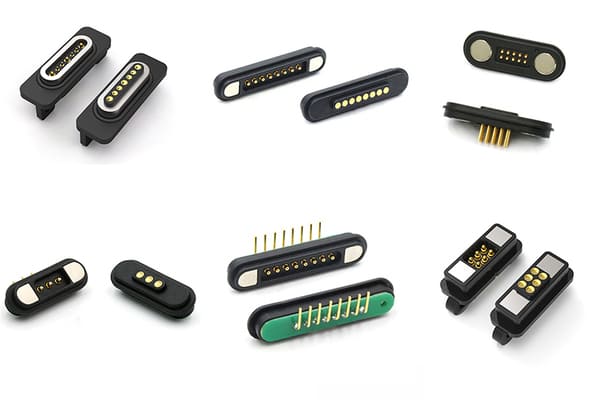
A fail-safe magnetic pogo pin connector is not a connector that can never fail. It is an electromechanical interface designed so that foreseeable contact faults are detected, contained and prevented from causing unacceptable system behavior. This guide explains safe-state definition, fault detection, redundant contacts, power sequencing, current limiting, contamination control and validation methods for custom magnetic connector projects.
How to Evaluate a Magnetic Pogo Pin Supplier: Compliance, Quality and Engineering Evidence
Choosing a magnetic pogo pin supplier requires more than checking a certificate or receiving a low quotation. Buyers should verify product compliance, material declarations, drawing control, inspection capability, traceability, change management and production readiness. This engineering and procurement guide explains what evidence to request before approving samples, tooling or mass production.
Aerospace Pogo Pin Connectors: Engineering for Vibration, Shock and Reliable Contact
Have you ever faced a mission-critical failure due to a tiny connector?
It’s a nightmare in the aerospace and defense industries.
How to Validate 100,000-Cycle Pogo Pin Connector Life
A practical engineering method for defining and validating pogo pin connector cycle life, including working stroke, resistance, temperature rise, mechanical wear and failure criteria.
Custom Magnetic USB Cables: Reducing Port Wear, Cable Strain and Device Downtime
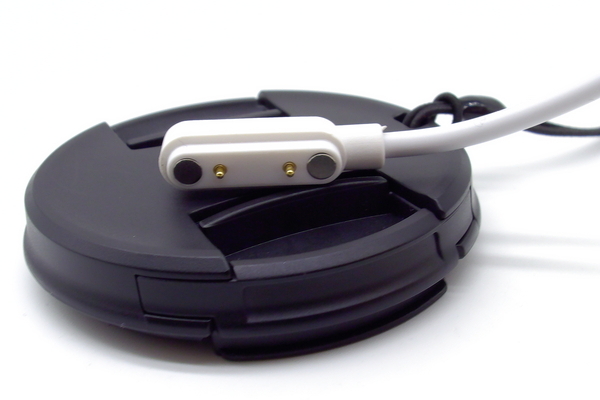
A custom magnetic USB cable can reduce repeated wear on a device connector and disconnect safely when the cable is pulled, but these benefits depend on more than adding magnets. This engineering guide explains breakaway-force design, pogo pin compression, cable gauge, strain relief, power and data allocation, hot-plug protection and the tests required before mass production.
Magnetic Pogo Pin Cables: Designing Replaceable Interfaces That Reduce Port Damage
A magnetic pogo pin cable can reduce repeated insertion into a conventional device port, but its real value depends on the complete interface architecture. Engineers must control cable compatibility, exposed-contact safety, magnet orientation, pin mapping, cable-head loading and device-side serviceability. This guide explains how to design a replaceable magnetic cable system that can be maintained without replacing the main PCB or enclosure.
How to Calculate Pogo Pin Contact Force in Magnetic Connectors
An engineering guide to calculating pogo pin contact force, working stroke, total multi-pin spring load, magnetic holding margin, PCB loading and tolerance limits.
What Is the True Cost of Importing Pogo Pins from China? A Landed-Cost Guide
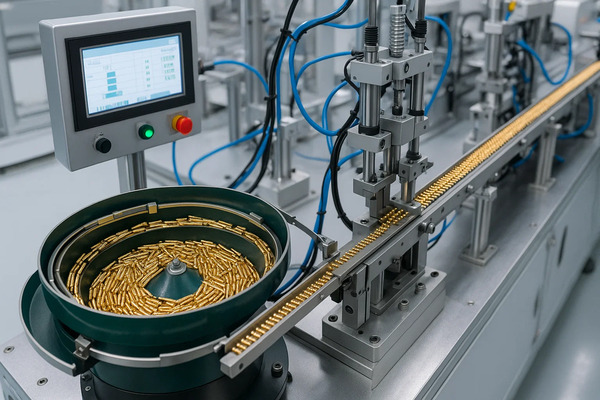
The true cost of importing pogo pins from China includes more than the supplier’s unit price. Buyers must account for engineering samples, tooling, packaging, freight, customs clearance, duties, taxes, inspection, rejected parts, inventory and field-quality risk. This guide provides a practical landed-cost model for individual pogo pins, connector assemblies, magnetic connectors and cable assemblies.
How Magnetic Pogo Pin Connectors Work: Contact Physics, Current Paths and Mating Sequence

The magnetic pogo pin connector principle combines magnetic alignment and retention with spring-loaded conductive contacts. The magnets bring the two halves together, mechanical features control position, and pogo pins compress against mating pads to establish the electrical path. This guide explains each stage of the connection cycle, where current flows, why contact resistance changes and why magnets alone cannot ensure signal integrity.