When a magnetic charger is not working , the cause is usually one of three things: a poor electrical connection at the contacts, a fault in the cable or power source, or a mismatch between the charger and the device. The magnet itself rarely fails. Most magnetic charging problems come from the metal contacts that carry power, not the magnet that holds the connector in place.
The checks below start with the easiest and most common causes. Work through them in order, and you will usually find the fault in a few minutes.
How a Magnetic Charger Works and Why It Fails
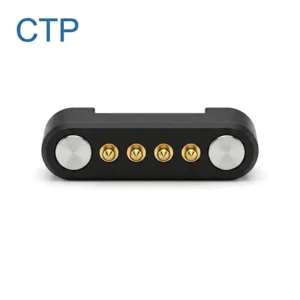
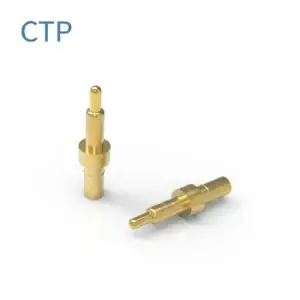
A magnetic charger uses magnets to align and hold two connector halves together, while small metal, often spring-loaded pogo pins, carry the power and data. The magnet’s job is to put each contacts pin on its matching pad every time you attach the cable. The contacts do the actual charging. That is why a charger can snap on firmly and still deliver nothing, and why a strong magnetic pull tells you little about whether the connection is working. If you want to see how the full path from power source to device fits together, this guide on a magnetic connector that is attached but not charging walks through it step by step.
When a magnetic charger is not working, the fault usually sits in that small contact area rather than in the magnet. Dirt or oxidation on the pins, slight misalignment, a case that the connector too far from the pads, a worn contact or a mismatch in pin layout can all hold break the electrical path while the connector still looks properly seated. These failures often come down to how the interface was designed and specified in the first place, which is why the choice of magnetic connectors matters as much as how carefully the charger is handled day to day.
1. Check the Power Source First
Rule out the wall adapter, USB port, or power bank before blaming the charger. Plug a different device into the same source, or try the magnetic cable on another adapter. Many magnetic cables are designed for a specific voltage and current range, so a weak USB port or an adapter with insufficient output can cause slow, intermittent, or failed charging.
2. Clean the contacts
Dirt, skin oils, and oxidation on the contacts are among the most common reasons magnetic charging stops working. Even a thin film can raise contact resistance enough to interrupt charging, especially on small contact areas.
To clean them:
- Unplug the cable from power.
- Wipe the contacts on both the cable and the device with a dry, lint-free cloth.
- For stubborn residue, use a cotton swab lightly dampened with isopropyl alcohol, then let it dry completely.
- Avoid abrasive tools, which can scratch or remove the plating on the contacts.
3. Look for misalignment
A magnetic charger only works when every contact meets its matching pad. A connector that sits slightly off-center, or one that has rotated, can leave one or more contacts touching nothing. Remove the connector and reattach it slowly, watching how it seats. If it only charges when held at an angle, the contacts or the mating surface may be worn or bent.
Case thickness is a frequent hidden cause. A thick phone or wearable case, or debris trapped in the mating recess, can hold the connector just far enough away to break contact.
4. Confirm You Have the Right Charger
Magnetic chargers are not universally interchangeable. Pin count, pin layout, polarity, and voltage can all differ between products that look almost identical. A charger with the wrong pin assignment may attach perfectly and never charge. Check the charger against the device’s documented specification rather than relying on appearance.
For OEM teams, this is the point where a clear pin map matters. Our engineering guides explain how contact count and electrical functions are matched before a connector is chosen
5. Inspect the Cable for Damage
Internal wire breaks are common near the connector head and the plug, where the cable bends most. Signs of a damaged cable include charging that starts and stops when you move the cable, a head that heats up unusually, or visible kinking or fraying near the strain relief. If gently flexing the cable near either end changes whether it charges, the conductors are probably damaged and the cable should be replaced.
Quality assemblies reduce this risk through proper strain relief and overmold design. If you source finished cables, magnetic cable assemblies integrate the connector, conductors, and overmold as one validated unit.
6. Check for Moisture and Corrosion
Moisture on the contacts can cause intermittent charging, and repeated exposure can corrode them. Sweat, humidity, and splashes are typical triggers for wearable devices. If the connector is wet, disconnect it, dry it thoroughly, and let it rest before trying again. Persistent green or white residue on the contacts suggests corrosion, which usually means the connector needs replacing.
Sealing is a design question as much as a care question. Connectors built for wet environments behave differently when mated and unmated, which is covered in this piece on waterproofing magnetic connectors .
7. Consider Current and Heat
A charger that works briefly and then stops may be limited by current or temperature. Contacts and conductors have a rated capacity, and demanding a higher current than the design supports can cause heating, voltage drop or a protective shutdown in the device. This most often affects products that moved to faster charging after the original connector was specified.
Projects with higher power needs should size the contacts and conductors for the actual load. Options for this are grouped under high-current magnetic cables .
8. Rule Out a Device-Side Fault
If a known-good charger still fails, the device’s charging pads or port may be damaged, or the battery or charging circuit may have a fault. Try a second charger of the same model on the device, and try the original charger on a second unit if you have one. Failure that follows the device points to the device. Failure that follows the charger points to the charger.
Quick Troubleshooting Table
| Symptom | Most likely cause | First thing to try |
|---|---|---|
| Snaps on but does not charge | Dirty or misaligned contacts, wrong pin layout | Clean contacts, reseat, verify compatibility |
| Charges only at an angle | Worn contacts or debris in the recess | Inspect and clean the mating surface |
| Starts and stops when the cable moves | Broken conductor near the head or plug | Flex test, replace the cable |
| Charges slowly | Weak adapter or high contact resistance | Test a different adapter, clean contacts |
| Works, then stops while warm | Current or heat limit | Check ratings against the actual load |
| Stopped after exposure to water | Moisture or corrosion | Dry thoroughly, inspect for corrosion |
When a Magnetic Charger Keeps Failing: Design Questions for Buyers
If you buy magnetic chargers for a product line and failures keep recurring, the cause may be in the connector design rather than in user handling. The questions worth asking a supplier are:
- Does the contact layout match the device’s actual power and signal requirements?
- Are the contacts rated for the real current, and is the plating suited to the environment?
- Has mating alignment been checked against real case thickness and assembly tolerance?
- How is the cable protected at the connector head and the plug?
- What sealing approach is used if the device will be exposed to sweat or moisture?
A supplier who can answer these from drawings and test conditions, rather than from marketing claims, is far more likely to deliver a connector that holds up in the field. Wearables are a good example, because small size and constant movement put heavy demands on both contacts and cable. Options in this area are collected under smart wearable charging solutions .
What to Do Next
Start with the power source, clean the contacts, check alignment, and inspect the cable. Those four steps resolve most cases of magnetic charging not working. If the same fault keeps returning across units, treat it as a design question and review the connector specification.
If you are developing a device and want a second opinion on contacts, pin layout, or cable construction, you can submit your drawing or pin map for an engineering review .
FAQs
Why does my magnetic charger connect but not charge?
The magnet only holds the connector in place, and charging depends on the contacts touching their pads. Dirty, misaligned or mismatched contacts are the usual reason a charger attaches but delivers no power.
Can a magnetic charger stop working because it is dirty?
Yes. Oil, dust, and oxidation on the contacts increase resistance and can interrupt charging completely. Cleaning with a dry cloth or lightly dampened swab often restores it.
Why does my magnetic charging only work at certain angles?
Worn or bent contacts, debris in the mating recess, or a thick case can leave some contacts out of reach. Clean the area and check whether anything is holding the connector away from the device.
Can I use any magnetic charger with my device?
No. Pin count, layout, polarity, and voltage vary between products, so compatibility should be confirmed against the device specification before use.