Magnetic Mating Component
Magnetic Connectors
Use this route when the project needs the magnetic connector component without a finished cable.
Find product-selection resources, project preparation guidance, technical documentation, quality and testing support, sample and order information, and direct assistance for magnetic connectors, magnetic cable assemblies, pogo pins and pogo pin connector projects.
The Help Center routes each question to the appropriate product catalog, engineering guide, quality resource or project-support channel.
Compare magnetic connectors, finished cable assemblies, individual pogo pins and multi-contact connector assemblies.
Open Selection Resources → 02Prepare the electrical, mechanical, cable, application and drawing information required for an engineering review.
Review Project Checklist → 03Review frequently asked questions about magnet structure, temperature, performance, customization and product use.
Browse Product FAQ → 04Understand how inspection, reliability testing, compliance documents and project-specific validation should be confirmed.
Review Quality Support → 05Understand the route from initial requirements and sample configuration to drawing approval, production and delivery support.
View Project Support Flow → 06Submit the product identification, order information, failure description, photos, measurements and use conditions for issue review.
Contact Support →Begin by identifying whether the project requires a magnetic mating component, a finished cable assembly, an individual spring-loaded contact or a complete connector assembly.
Use this route when the project needs the magnetic connector component without a finished cable.
Use this route when the supplied product must include the magnetic connector, cable and opposite-end termination.
Use this route when the customer is designing its own housing or PCB interface and requires individual spring-loaded contacts.
Use this route when the project requires multiple contacts, an insulating housing, defined pitch and a complete mounting structure.
Product appearance alone is not enough to define a custom interconnect. Providing the available information below helps reduce repeated clarification during product selection, drawing review and sample planning.
List voltage, continuous and peak current, power, return, signal, control, detection and identification paths.
Provide available length, width and height, PCB area, mating direction, connector position, mounting and alignment conditions.
Define cable length, conductor needs, cable movement, outlet direction, strain relief and opposite-end termination.
Provide application, environment, expected quantity, sample scope, validation requirements and available drawings.
Inspection items, reliability tests, environmental documents and reports should be selected according to the product structure, approved drawing, customer specification and actual use conditions.
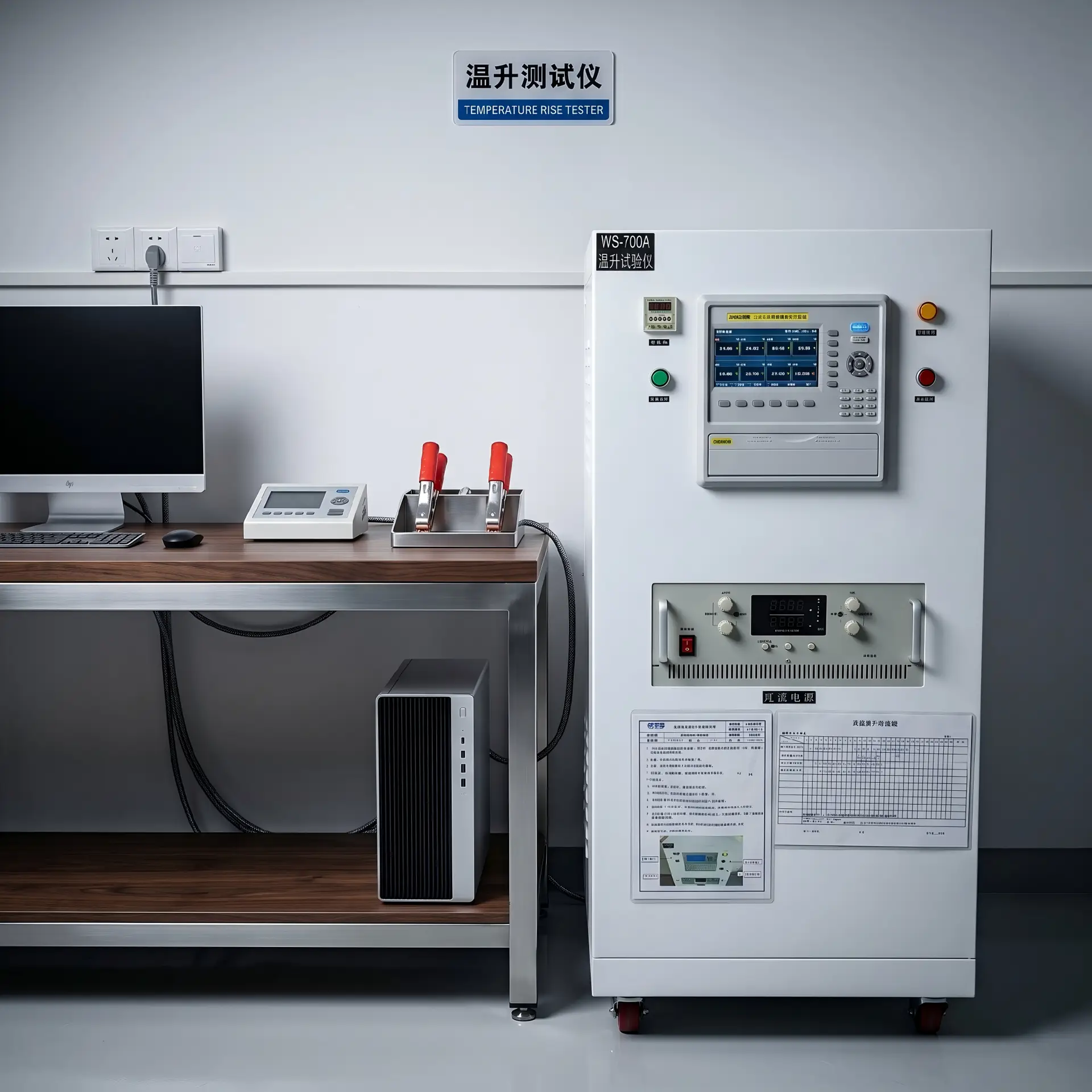
Available capabilities include environmental-material analysis, leakage or waterproof evaluation, pull-force, salt-spray, swing or flex and mechanical-force testing. The final test plan must follow the specific product and approved project conditions.
Request a Test-Plan Review →
Manufacturing support may include pin processing, molding, cutting, soldering, cable assembly, automated processes and product inspection. Inspection points should be defined in the drawing, control plan or customer specification.
Review Manufacturing Information →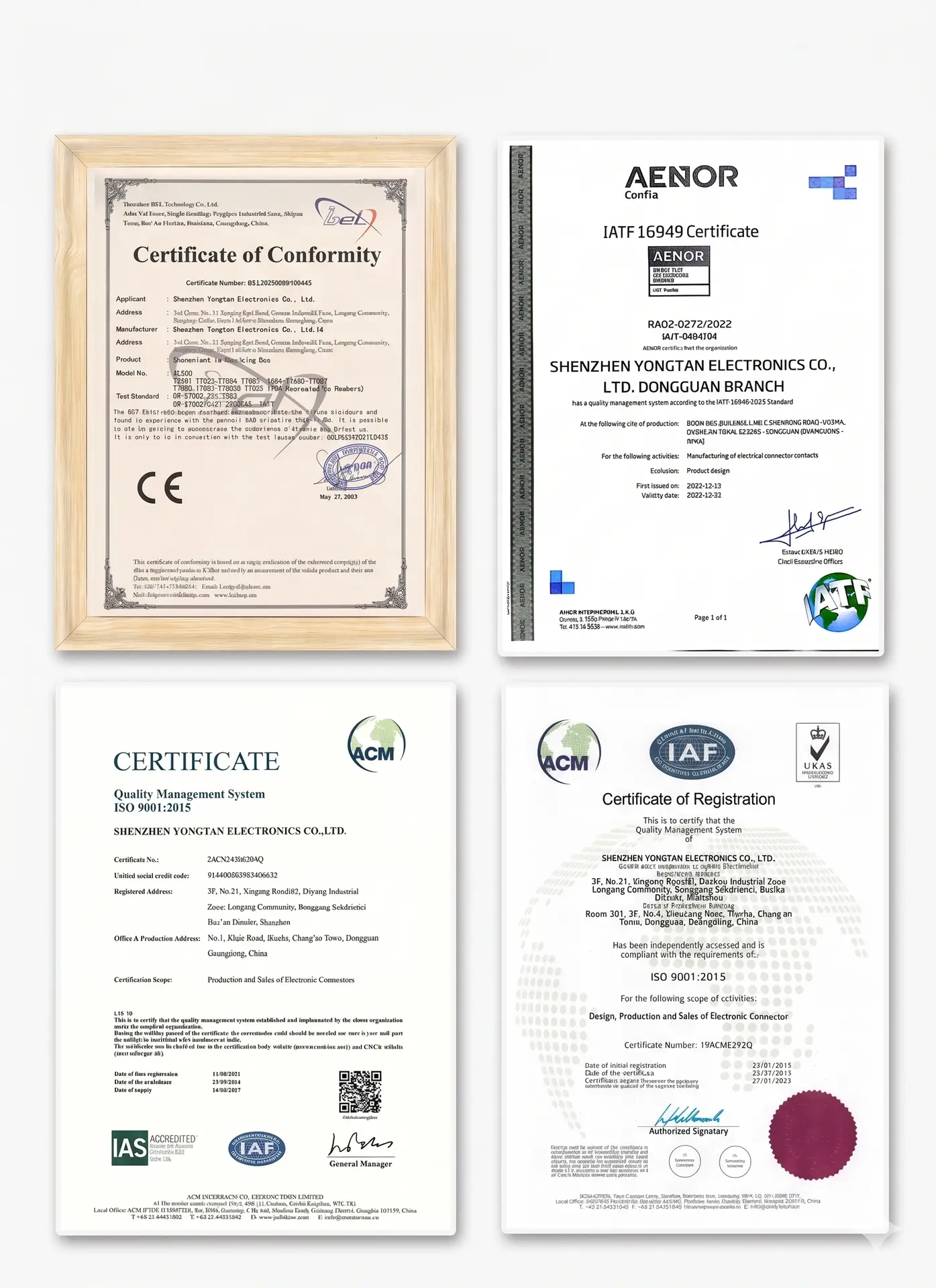
Company-level management-system certificates, environmental-compliance information, material documents and product-specific reports should be distinguished. Request the exact document required for supplier qualification or project approval.
Request Required Documents →Timing, quantity, tooling, sample configuration and validation depend on product complexity and project requirements. Confirm the commercial and technical conditions for each project rather than relying on one universal lead-time statement.
Confirm product family, application, electrical functions, space, quantity and available drawings.
Determine whether an existing item, modified structure or new design should be evaluated.
Confirm drawing revision, sample quantity, materials, cable configuration and validation scope.
Confirm the approved drawing, inspection requirements, packaging, production quantity and schedule.
Provide the order reference, product code, quantity, issue description, photos, test data and use conditions.
Use the resource type that matches the question: product selection, application integration, technical learning, common questions or project examples.
Compare product supply scope, Pin count, contact allocation, current, cable and application conditions.
Open Engineering Guides →Review common questions about magnetic connectors, customization, materials, performance and service.
Browse Frequently Asked Questions →Read technical articles about connector design, pogo pins, cable assemblies, testing and integration.
Read Engineering Articles →Review interconnect requirements for wearables, medical devices, automotive electronics, smart home and industrial equipment.
Explore Application Routes →Review examples of how device requirements were converted into connector or cable solutions.
View Project Cases →Browse the four current product families after the supply scope and basic structure are confirmed.
Browse All Product Families →These answers explain where to begin, what information to submit and how project-specific technical and quality requirements are confirmed.
Submit the product family, application, electrical requirements, mechanical space, cable requirements, expected quantity and available drawings. For an existing order or quality issue, also include the product code, order reference, issue description and evidence.