AI Glasses Market Poised for Explosive Growth
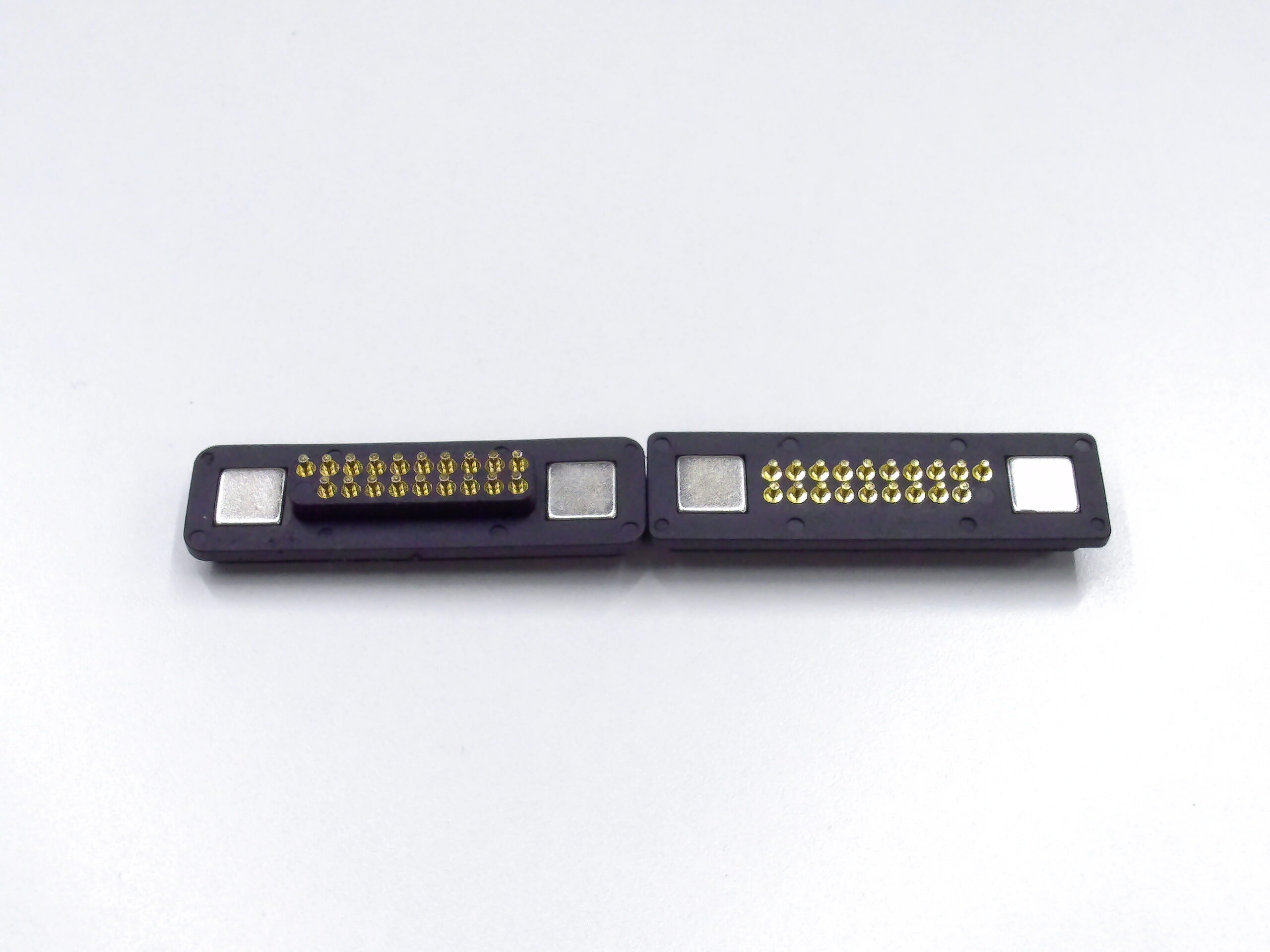
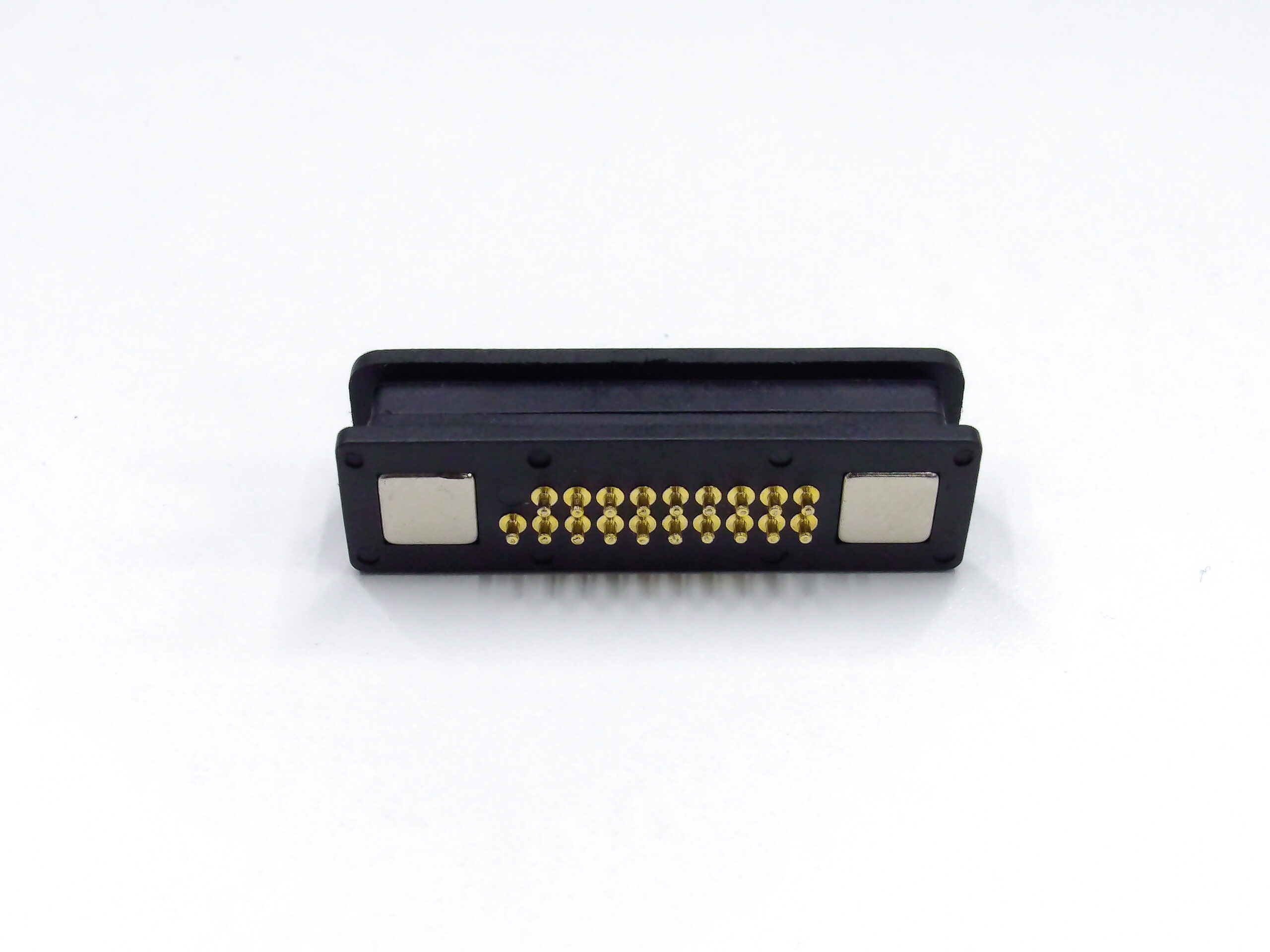
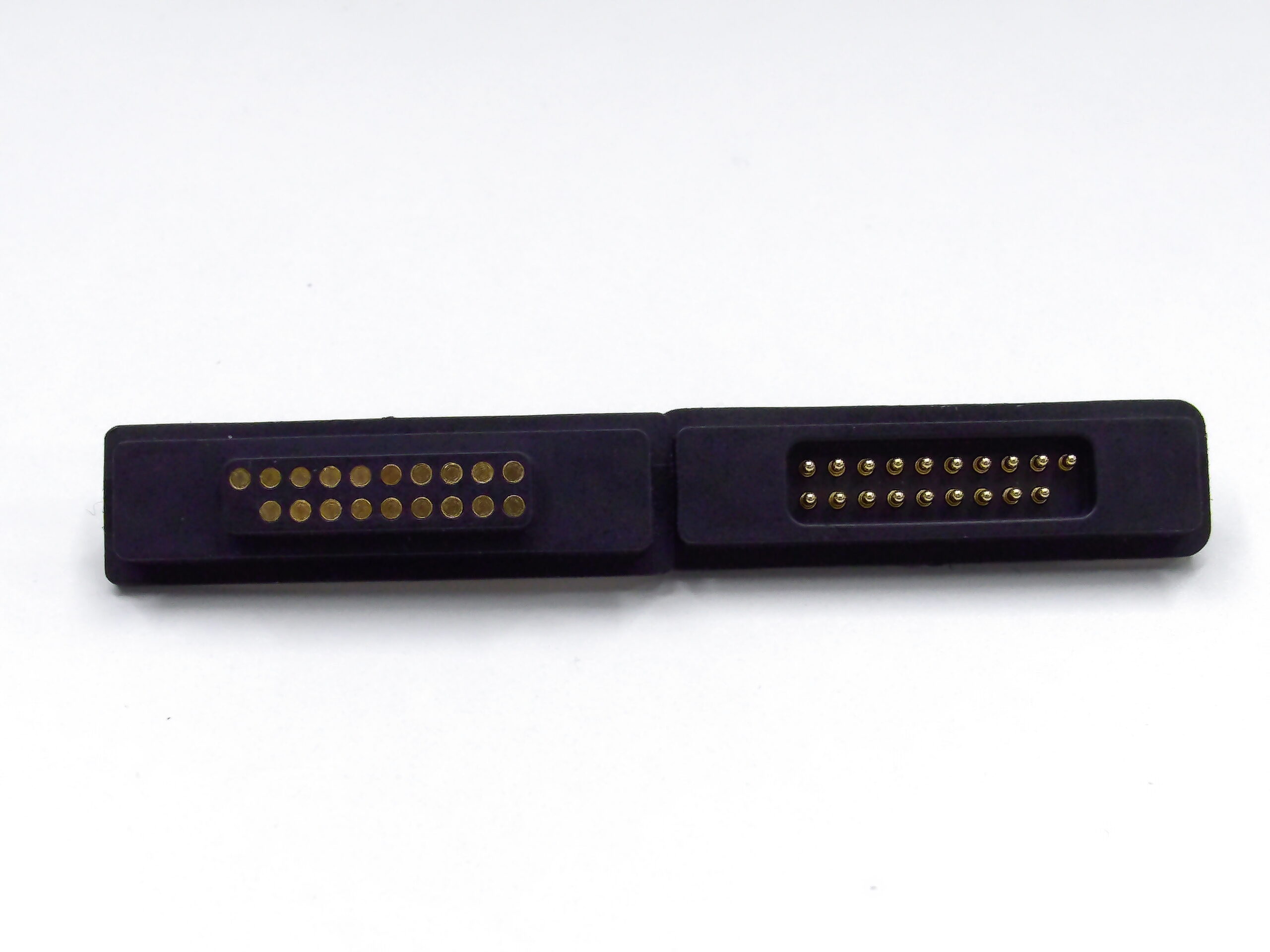
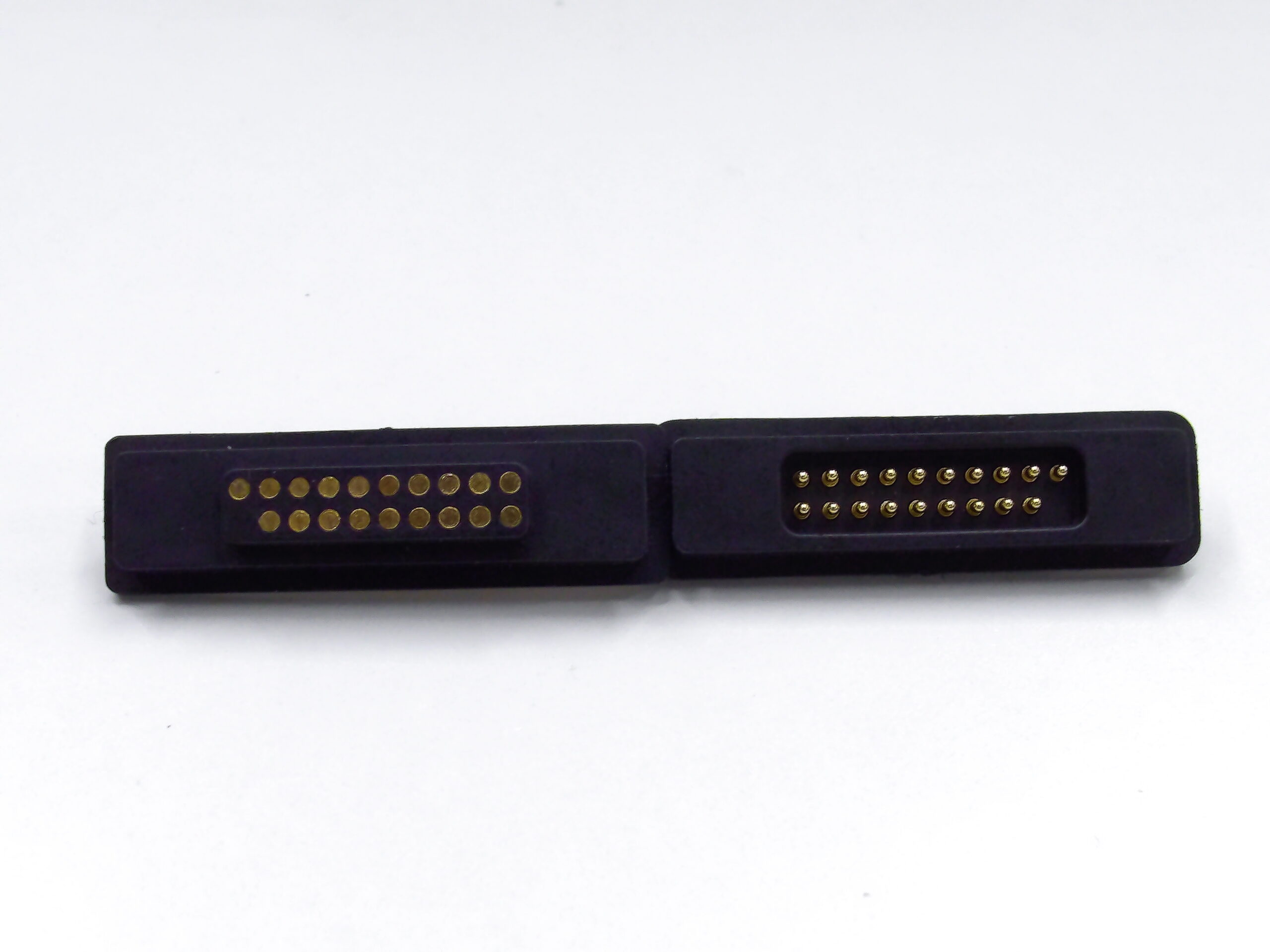
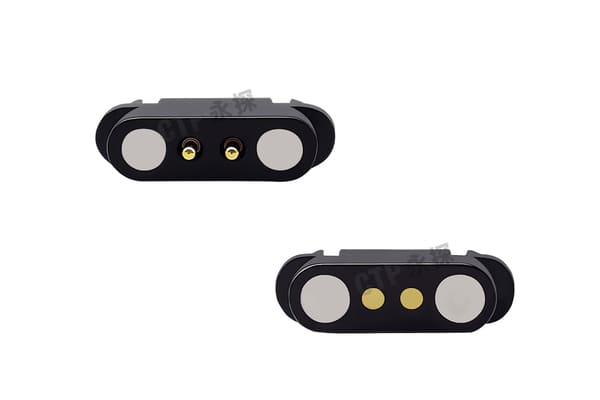
The global AI glasses market stands on the brink of explosive expansion, with industry analysts forecasting shipments to exceed 26 million units in the coming years. Behind the scenes, a seemingly minor yet critical component is becoming the linchpin of product success: the connector. While brands compete fiercely for more powerful computing, clearer displays, and smarter interactions, a fundamental user experience question is often overlooked—how to elegantly and reliably charge and synchronize these computers worn on our faces. Traditional ports are showing their limitations, and magnetic connectors, particularly precision magnetic pogo pin connector solutions, are emerging as the key to unlocking this design puzzle.
Stringent Design Requirements for AI Glasses
AI glasses are not mere smartphone accessories; they are an all-day-worn “second sight.” This imposes extremely stringent constraints on their industrial design:
- Extreme Slimness and Lightness: Any extra weight and volume translate directly into user fatigue. Design must be optimized at the millimeter and milligram level.
- Fashionable Aesthetics: As a personal accessory, they must shed the “geek toy” label and possess the design sensibility expected of consumer electronics.
- Rugged Durability: They must withstand the rigors of daily use—frequent handling, pocket storage, and accidental drops.
- Reliable Sealing: Effective resistance to sweat, rain, and dust is essential to protect internal精密电子 components (typically requiring an IP54 rating or higher).
These requirements collectively lead to one conclusion: every internal component must serve the design goals of being “light, thin, robust, and sealed,” with the connector being a primary focus.
The Three Major Shortcomings of Traditional Ports
The ubiquitous USB-C port, the current standard in consumer electronics, reveals difficult-to-overcome flaws in the context of AI glasses design.
The Space Invader
The USB-C female receptacle and its required internal structural depth侵占宝贵空间 that could otherwise be used for a larger battery or a more compact motherboard layout, directly conflicting with the “extreme slimness” requirement.
The Weak Point for Durability
The exposed metal tongue and deep, recessed port are prone to accumulating sweat, skin oils, and lint, leading to poor connectivity. Repeated mechanical insertion and extraction is a primary source of wear and failure, impacting product lifespan.
The “Last-Meter” Friction in User Experience
Precisely aligning and inserting a tiny plug into a device on one’s head without visual assistance is counter-intuitive and frustrating. This problem is particularly acute in low-light conditions or during urgent charging needs.
Three Game-Changing Advantages of Magnetic Pogo Pin Connectors
The magnetic pogo pin connector offers transformative benefits that directly address the limitations of traditional ports.
Leap in User Experience: From “Alignment” to “Attachment”
Intuitive Blind Mating: Users simply bring the magnetic cable or dock close to the contacts on the glasses; the strong magnetic force actively guides and secures a precise connection. This process requires no visual assistance, achieving true “one-touch connectivity.” If the wearer accidentally trips over the cable, the magnetic connection safely disengages, preventing the glasses from being pulled off and damaged or causing injury—a safety feature hard connections cannot provide. The flat, non-recessed contact surface is also extremely easy to clean.
Revolution in Spatial Efficiency
The 2 pin magnetic pogo pin connector socket can be made exceptionally thin, barely consuming any Z-axis (thickness) space. Designers can return this volume to the battery, enhancing battery life without increasing the thickness of the temple arms.
A Boon for Waterproofing Design
Sealing a flat surface (the magnetic contact area) is far simpler, more reliable, and more cost-effective than sealing a deep port with a moving tongue and complex internal cavity (like USB-C). This significantly reduces the engineering difficulty and material cost of achieving a high IP rating.
Enabling Future Modular Designs
The ultimate form of AI glasses may be modular. Imagine users swapping out battery modules of different capacities, upgrading cameras, or adding environmental sensors as needed. Magnetic pogo pin connectors, with their characteristic “strong retention, easy detachment,” are the ideal physical interface for building such a modular ecosystem. They provide the possibility for future functional upgrades or convenient repairs through module replacement, extending the product lifecycle and aligning with sustainable development principles.
Driving the Industry Forward
According to recent forecasts from industry analysts like IDC, the wearables market continues to expand, with AI glasses representing a significant growth driver. Connector innovation is fundamental to supporting this trajectory. Contact our engineers directly for a free technical consultation and conceptual solutions tailored to your specific design: bella@ytpogo.com.
In conclusion, magnetic connectors are far from a mere “alternative option”; they are a key enabling technology for AI glasses to achieve their product promise: an imperceptible, seamless, and burden-free intelligent extension of the self. They address fundamental contradictions unsolvable by traditional ports across three dimensions: user experience, engineering implementation, and product evolution.